
DigitalDilemma

  • 2 Posts
  • 335 Comments
Joined 3 years ago
cake
Cake day: July 22nd, 2023

help-circle
  • It doesn’t always need to be automatically set.

    Back when the very first chinese IP cameras started arriving in the west in the noughties, after we’d only had the first gen very expensive professional ones from the like of Axis, they nearly all shared the same firmware. This had factory set credentials of admin / admin and a common port (8080, iirc)

    Back then, uPnP was commonly also enabled by default on routers, so the camera would ask for the port to be opened automatically and the router would just do it, allowing the internet into the camera. A simple scan of IPs on port 8080 would yield a lot of prompts with the distinctive login page for this firmware and around 90% of the time, the default credentials would still let you in, and you could see the camera.

    Fortunately, routers have improved and uPnP was recognised as being incredibly stupid and isn’t seen much now and is disabled by default if it is. Some IP cameras have improved also, but there’s still a lot at the lower end that have almost no security, or prioritise convenience or cloud solutions first.

    (I researched the above when I found one of my company’s cameras broadcasting and tried to educate people about it back in the day, but I doubt it did much good)


  • This isn’t new.

    The realisation as you go through life that things just aren’t as good as they should be is hard. The more you learn, the more you are exposed. What is new, perhaps, is that the scale of bullshit is bigger and the spread of it more actively pushed than before.

    How to cope? Damned if I know. I just try to shut it out as much as possible.

    (BTW, your colleague may just be exhausted with change, or demoralised or depressed themselves. It’s hard not to judge people when you see the answer so clearly, but it’s a trueism that everyone walks their own path and you just don’t know what’s going on in their life)










  • Walking on Dartmoor one cold, gray and rainy winter’s morning.

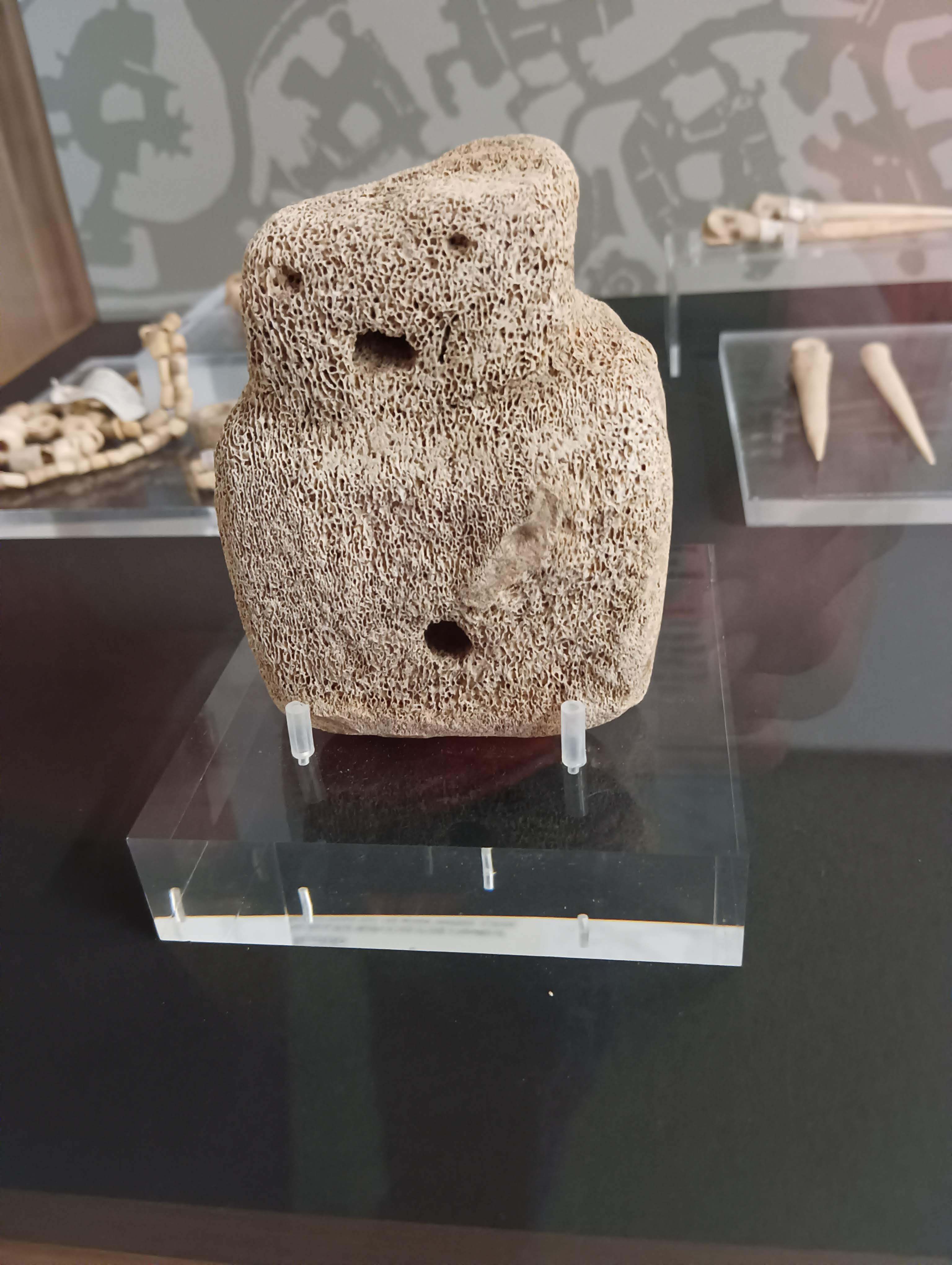
    A young man in a sodden T-shirt and shorts emerged out of the mist on the same moorland path I was on. He was carrying a tesco carrier bag with a ram’s skull sticking out and what looked to be the spine stuffed into it.

    Sheep die out there all the time so it was probably a chance find - but walking in what were difficult conditions so poorly dressed, but with a carrier bag…? I still wonder what he was going to do with his prize.

    Oh, and that time when I drove around a corner to find five pirates pushing a horse and carriage up a hill. (It was a themed wedding and the horse was slipping on the way to the reception so the followers got out of their cars and helped push - but it earned a second glance)


  • I think I’m going to disagree with the accuracy statement.

    Yes - AIs can be famously inaccurate. But so can web pages - even reputable ones. In fact, any single source of information is insufficient to be relied upon, if accuracy is important. And today, deliberate disinformation on the internet is massive - it’s something we don’t even know the scale of because the tools to check it may be compromised. </tinfoilhat>

    It takes a lot of cross-referencing to be certain of something, and most of us don’t bother if the first answer from either method ‘feels right’.

    AI does get shown off when it’s stupidly wrong, which is to be expected, but the world doesn’t care when it’s correct time and again. And each iteration gets better at self-checking facts.


  • I have been this week, for the first time.

    I’m using Hugo to design a new website and Gemini has been useful in find the actual useful documentation that I need. Much faster and more accurate than trawling the official pages, and does a better job of providing relevent examples. It’s also really good at sensing what I’m actually asking, even if I’m clumsy at the phrasing.

    And for those who continue to say AI isn’t really useful for learning - another thing I’ve been using it for. “write perl to convert a string to only container lowercase, converting any non-alpha chars to dashes” - I’ve learned how to do stuff like that over and over again, but the exact syntax falls out of my head after a few months of not doing it. AI is good at providing a quick recollect. I’ve already learned perl properly (including from paper books - yes, I first wrote perl a quarter of a century ago) - and forgotten it so many times. AI doesn’t prevent me learning, just makes it faster.